A globally connected centre
- Space-science education
- Cosmic experiences
- Innovation for the future of exploration
International Centre for Advanced Space Science & Cosmic Research
Space-science education, cosmic discovery and future-focused innovation, brought closer to everyone through learning, scientific engagement and immersive experiences.
Home
An emerging initiative dedicated to space-science education, cosmic discovery and future-focused innovation.
Home
Home
From the formation of stars and galaxies to the search for distant planets and the possibility of future human settlements beyond Earth, the Universe presents extraordinary opportunities for discovery. SPACE 1 aims to make these subjects engaging through educational content, interactive experiences and learning programmes grounded in scientific evidence.
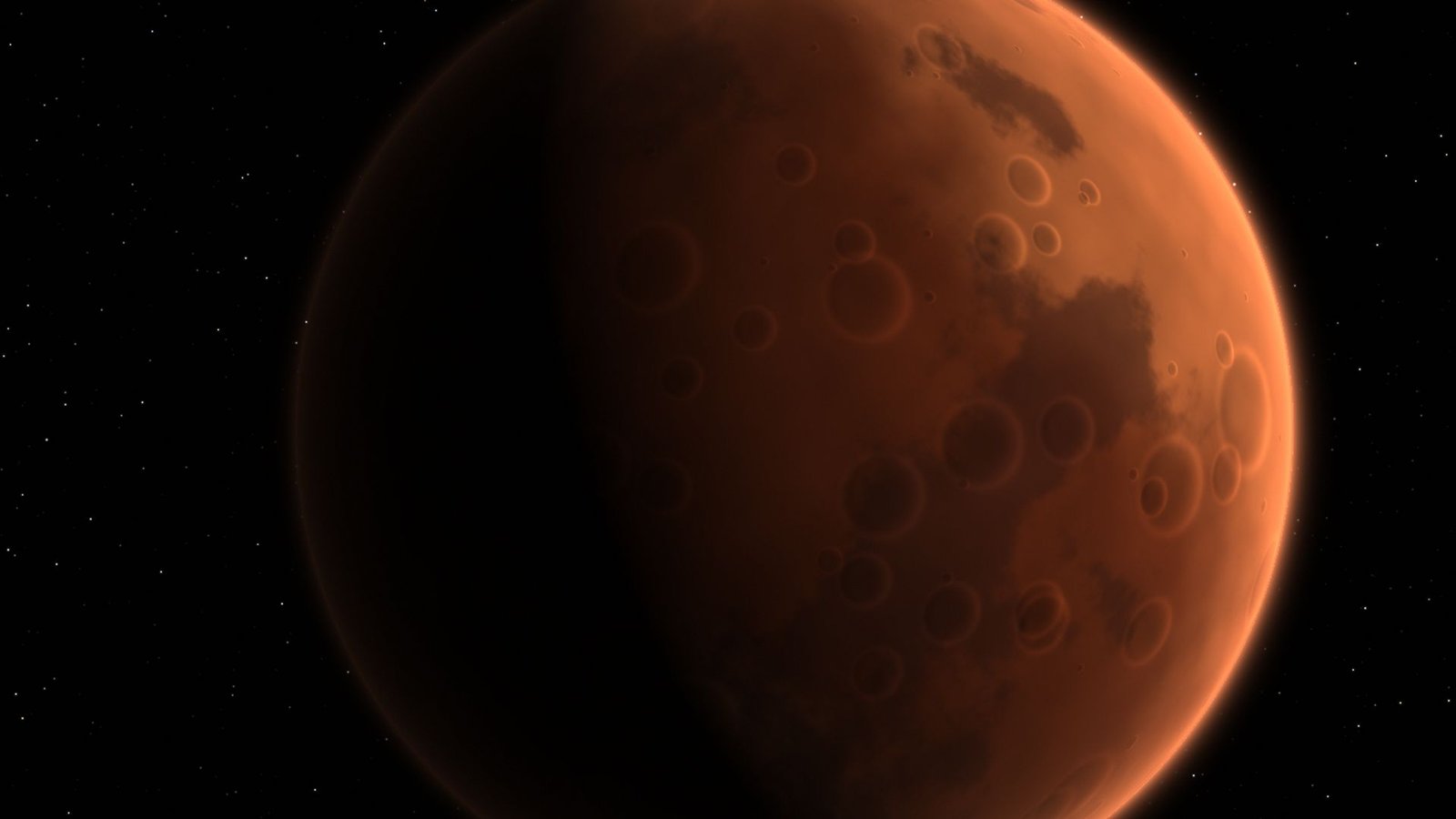
384,400 km away and the next destination for human exploration.
A day lasts 24 hours 37 minutes; Olympus Mons rises about 22 km.
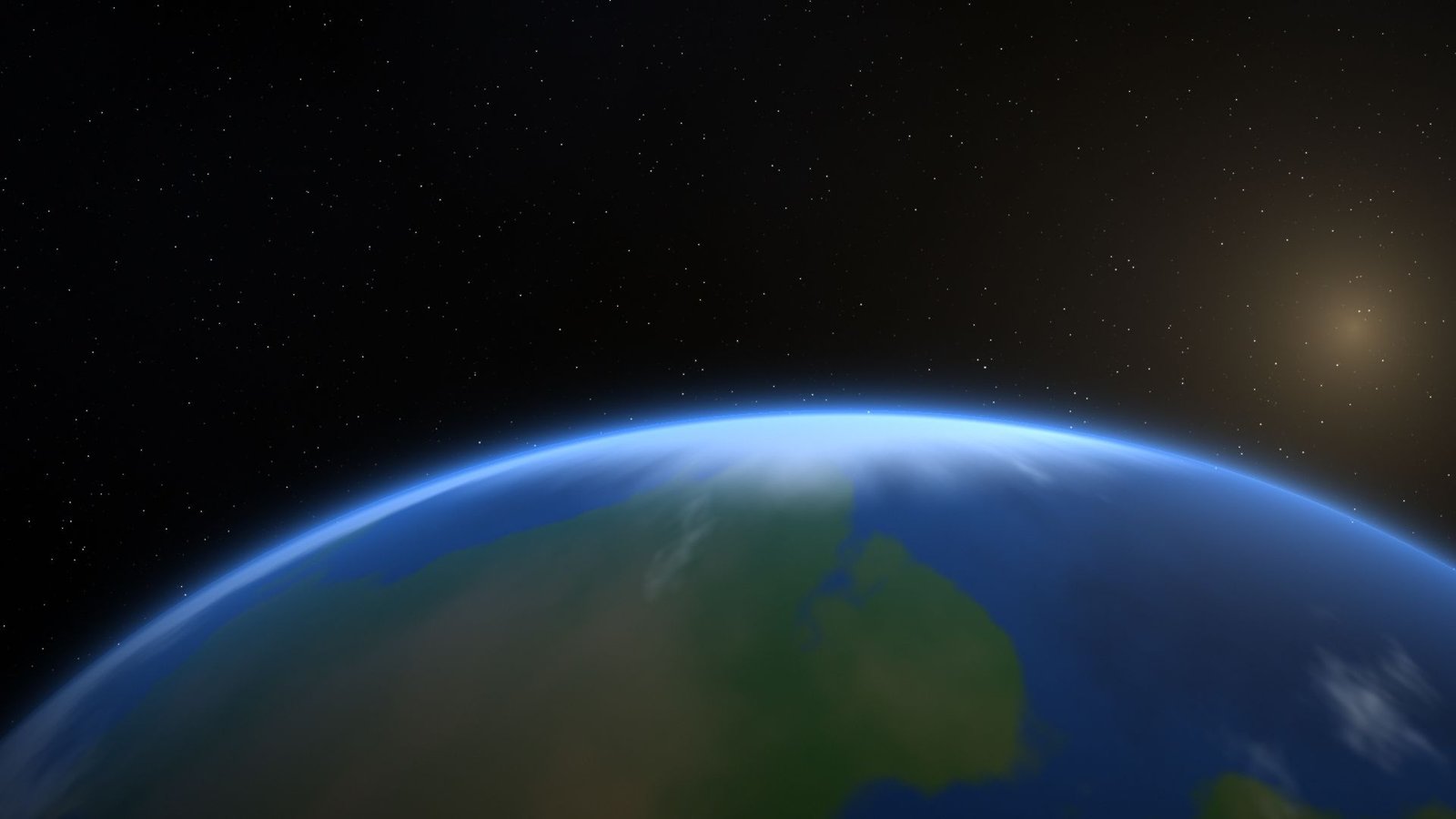
Saturn’s rings span roughly 280,000 km but are often only metres thick.
Thousands of confirmed worlds, from lava planets to temperate ones.
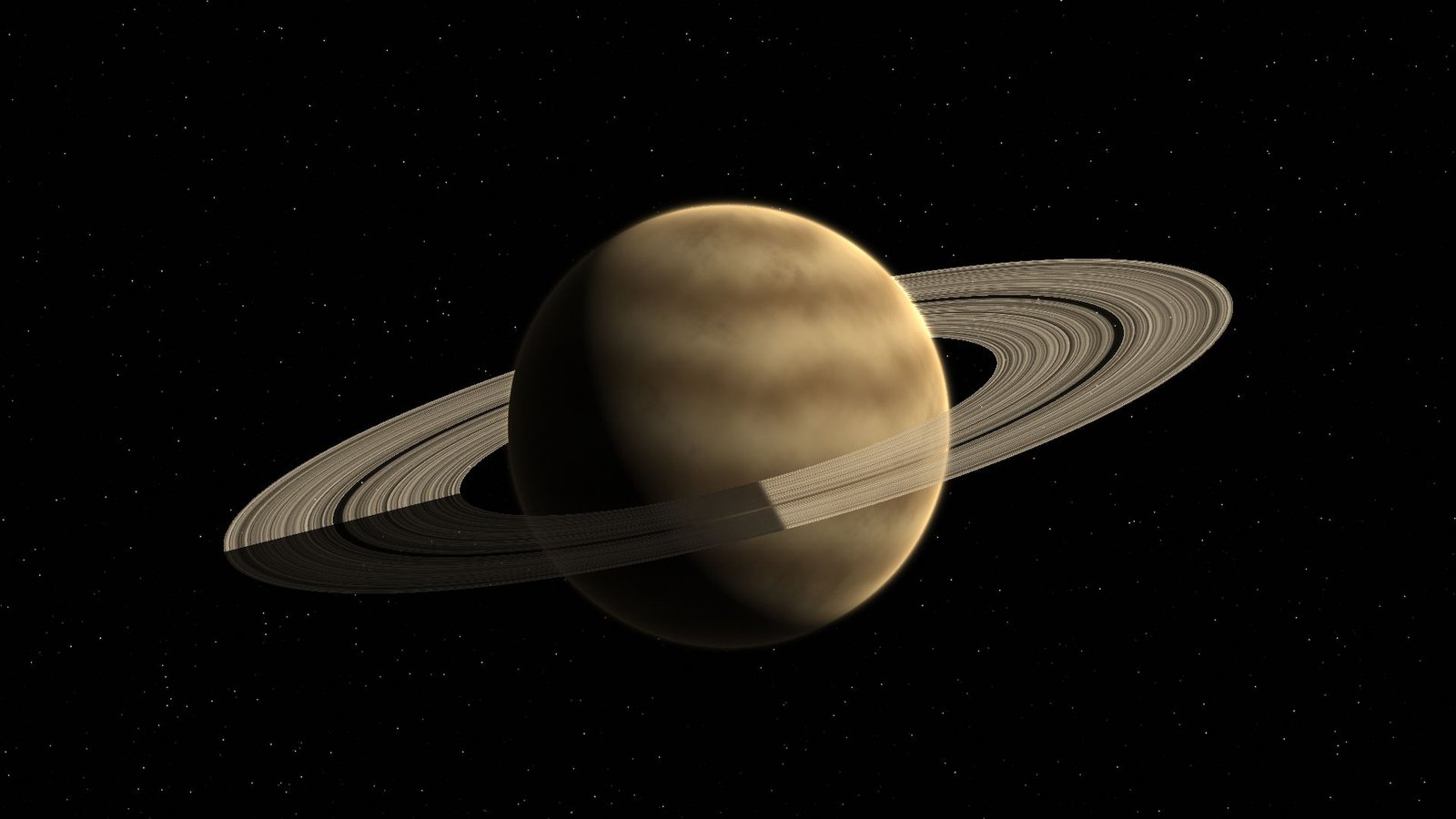
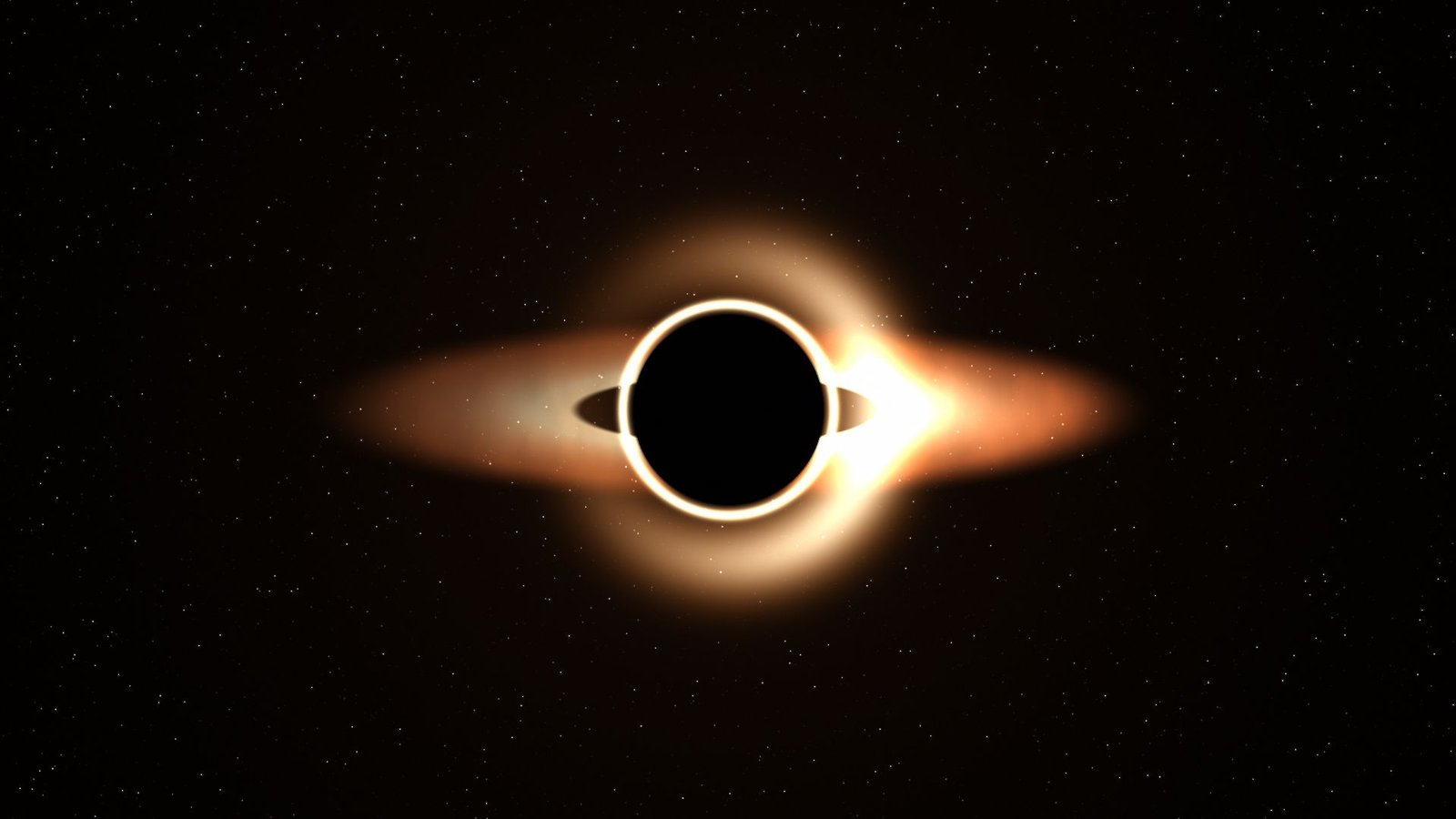
Gravity so strong that not even light can escape.
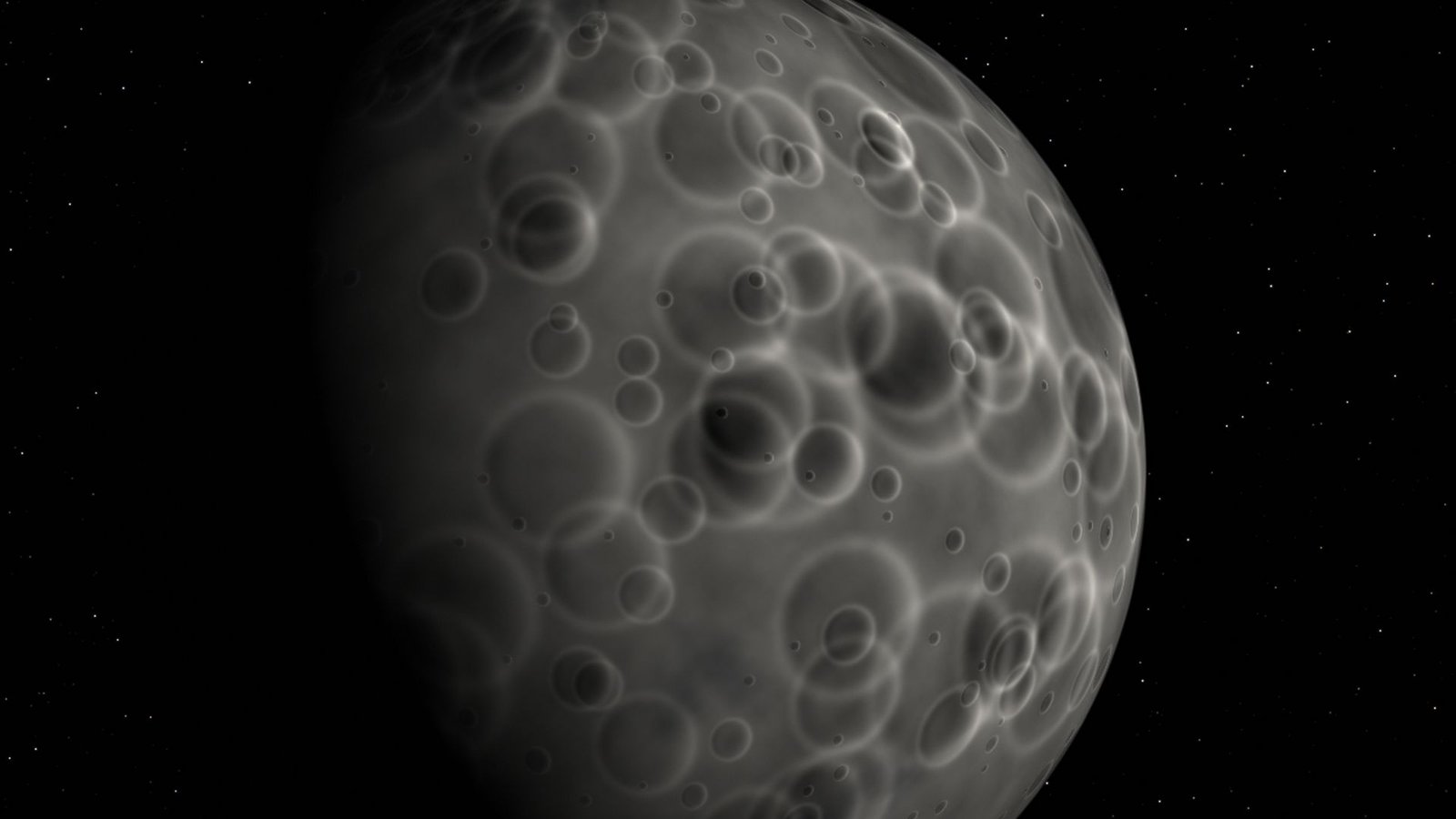
The Milky Way holds hundreds of billions of stars.
Home
The Learning Academy is our first major initiative. Courses open step by step.
How we observe and study the night sky.
The origin, structure and evolution of the Universe.
Planets, moons and small bodies of the Solar System.
Satellite technology and the emerging space economy.
Home
Connecting scientific ideas with practical challenges through educational projects and future research collaborations.
Home
Confirmed events, registration details and participation requirements will be announced here.
Peak of the Leonids. A good night to look up.
One of the strongest annual meteor showers.
Dates are published once arrangements are confirmed.
Home
Register your interest for updates on courses, events, collaboration opportunities and how SPACE 1 is developing.
Join SPACE 1